
Taxi for women in Tripoli
Ghazwa Hako, a mother for four kids and a taxi driver for women in Tripoli.
Ghazwa Hako, a mother for four kids and a taxi driver for women in Tripoli.

A vine older than occupation still tells a family’s story

Mohammad Loubani, musician from Nahr el-Bared camp in Lebanon

Ali Hassanein from nursing to pursuing his passion in music.

The clown Kiosk Abu Laban, an expert in cooking mansaf and a great mathematician.

The First girls Football team in Shatilla camp in Lebanon

In downtown Amman, an old bookstore since 1967.

From his grandfather’s house, which carried the family’s memories, to a vibrant artistic and cultural space.
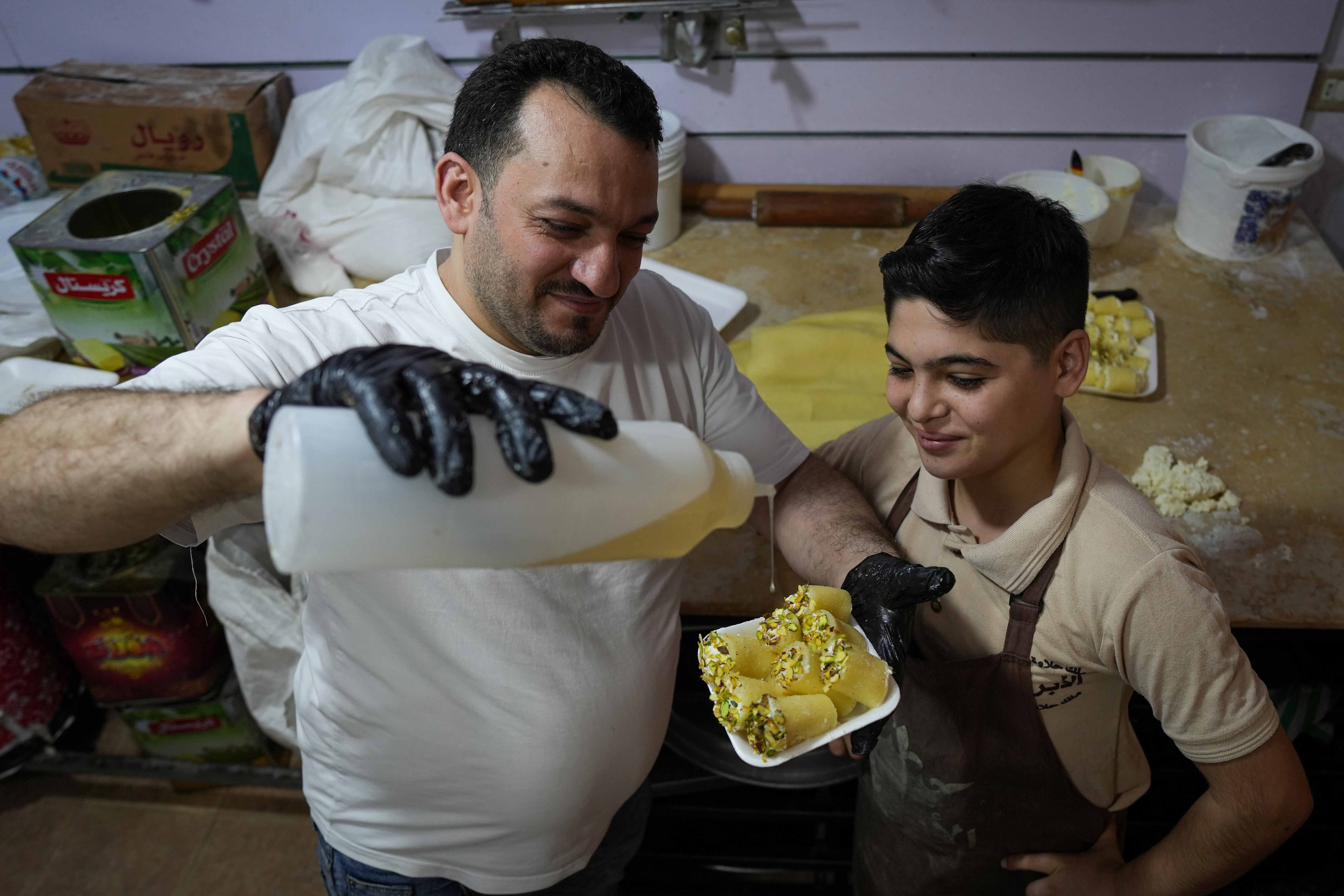
A 36-year-old Syrian decided to continue his craft, making Halawet el-Jibn just as he knew in Homs, but in a new country.

A woman in her forties from Baalbek climbs to the rooftops every day to prepare the mouneh.

Samihah al-Dababseh endures demolitions, defending her land, family, and memory in Masafer Yatta.

In Gaza, music is Zaina’s refuge and her dream

Human. Or am I not in your eyes?

From a water pond to an alternative youth space

Four girls from Gaza cling to life and dreams amid the ruins, longing for peace, home, and childhood again.

Fahd, a boy from Umm al-Khair, guards his goal and land, proving love and defense know no age

A young Palestinian in Rashidieh camp, found in theater a space to breathe within a reality that grows tighter everyday.

Twenty meters from the separation wall, stands an ancient olive tree guarded by Salah (Abu Ali).
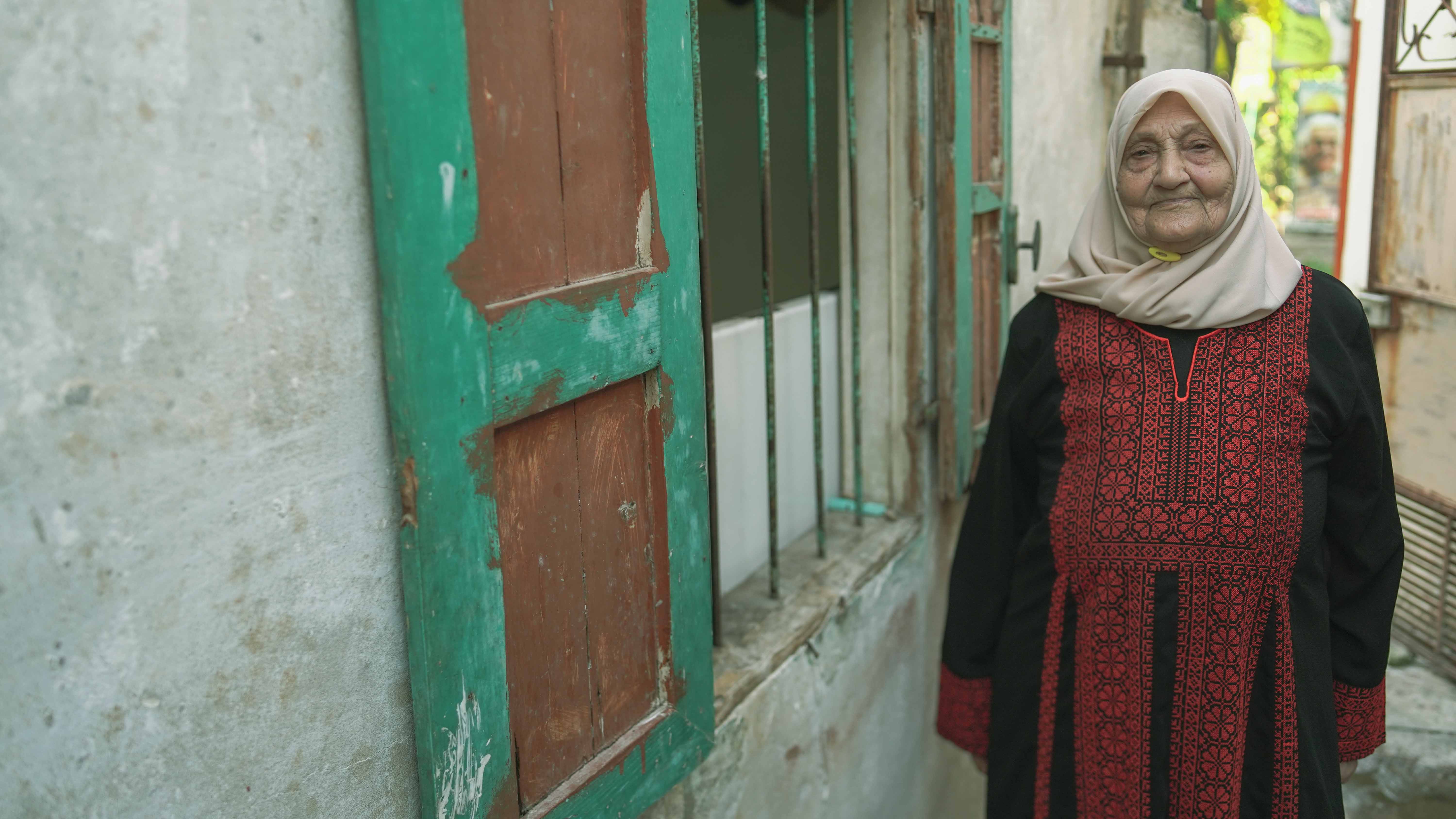
In the Mieh Mieh refugee camp in southern Lebanon, Umm Anwar still holds a stone from her original village called Miroun.

A displaced father from Gaza turned his 1965 car into a shelter for his five children.

A child’s world turned dark — she just wants to see again

Hassan Hadla cycles through Damascus daily with no fixed route grinding knives for customers in different neighbourhoods.

In the Qaysariyya neighborhood in Nablus, one man has been making wood clogs for more than 50 years.

A renowned vintage shops in Beirut established in 1985, owned by Walid El-Khoury and his son Bob.

From Gaza’s ruins, clay shaped by war becomes a voice of resilience — turning devastation into strength.

Next to the separation wall, Naser grows Palestinian mushrooms with pride
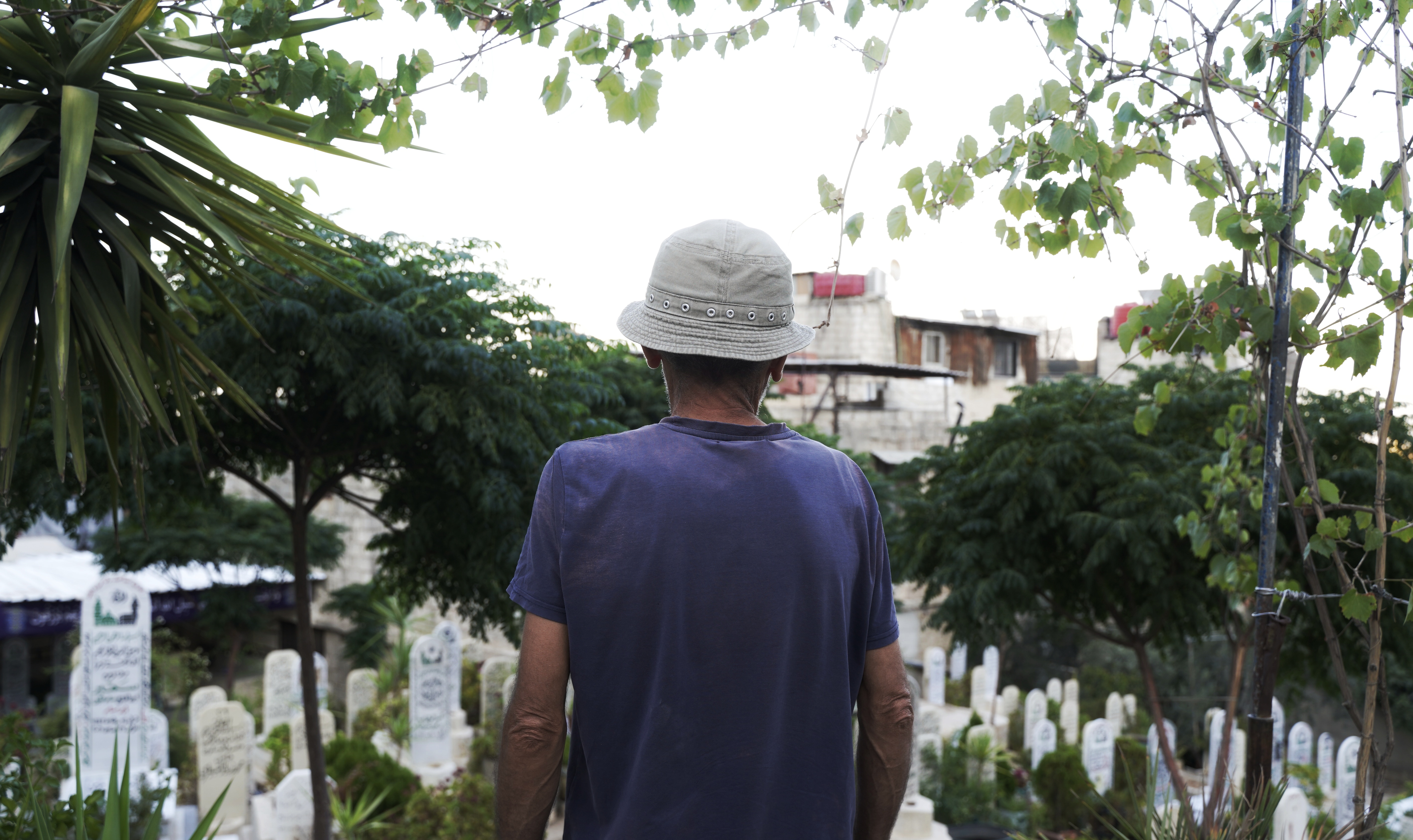
For over three decades, Abu Mohammad has tended the Al-Salihiyah Cemetery in Damascus, caring for its trees, graves, and forgotten stories.

Two cousins turned survivors—selling toys, sharing loss, keeping hope alive

After 15 years behind bars, he finally hears his son say “Baba”

In Damascus, going to the rooftop is only allowed after many permits and approvals.
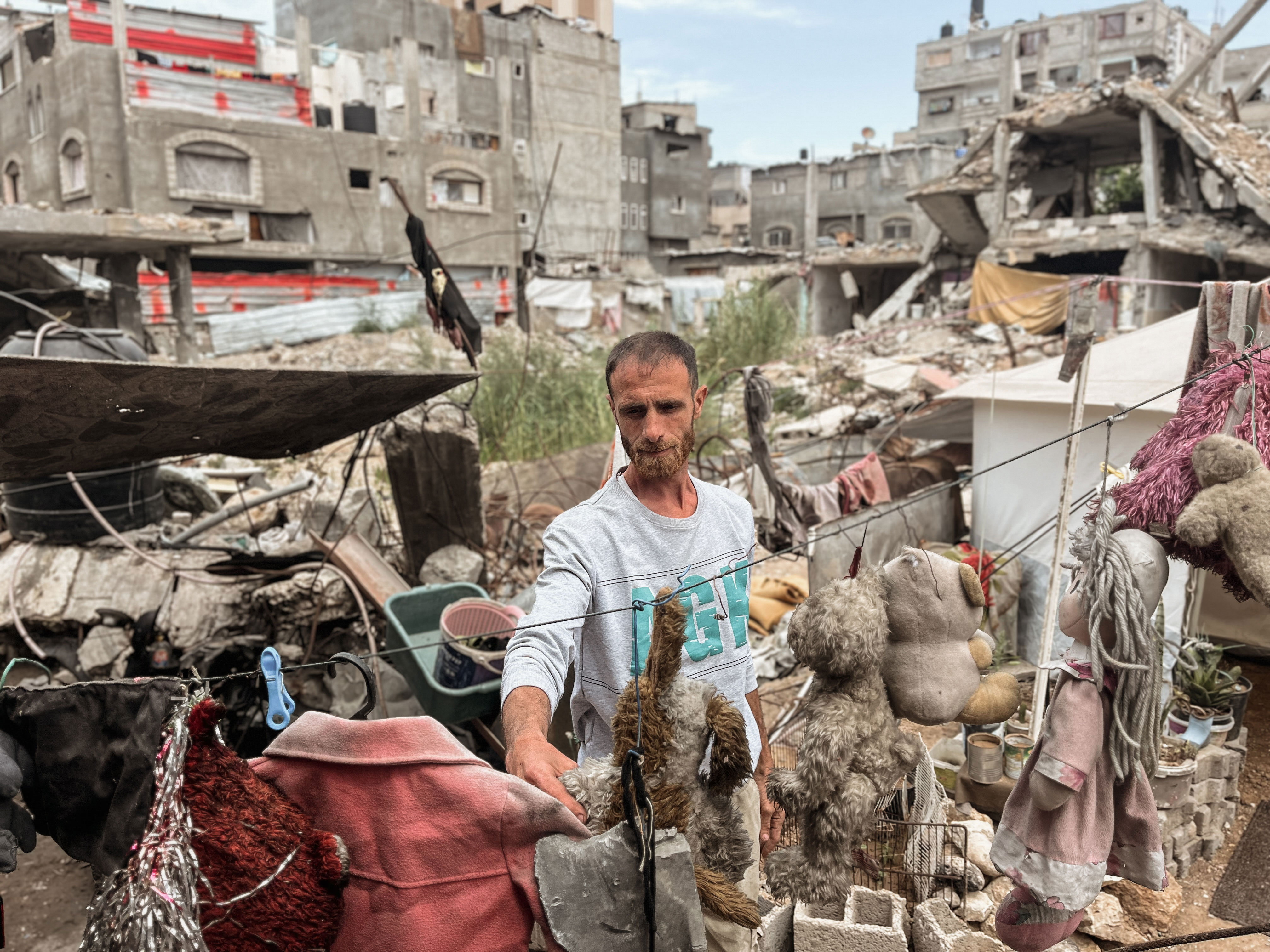
In Al-Bureij Camp, a tent of memory rose from toys and cloth

Umm Ali, a woman in south Lebanon still carries a family legacy in cultivating tobacco.

Nine-year-old Rimas survived an airstrike that killed her family, now living with scars and fragile hope

Despite war, Um Sohel stays, keeping her son’s memory and family legacy alive in Gaza

A stage of memory and resilience that proves the Palestinian voice will never be silenced
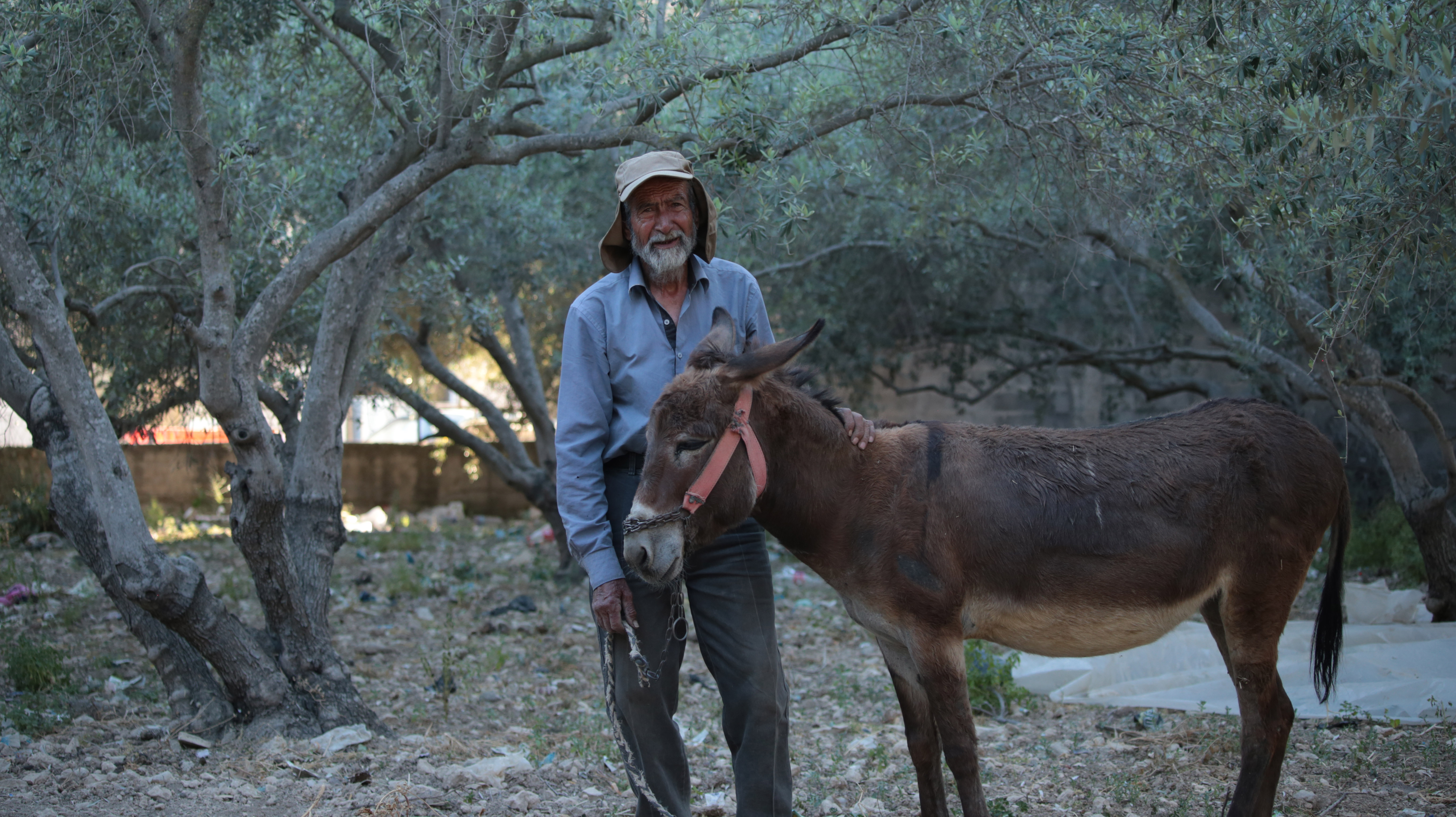
In Al-Yamoun near Jenin, Abu Mohammad keeps Palestine’s freekeh tradition alive

A barber shop that smells like dried mulberries

Residents of the Bedouin community of Um al-Kheir at risk from daily struggles from settles and Israeli occupation.

A coffee vendor and a miniature artist in Tripoli

Amera Ismael, Gaza’s first woman with a FIBA referee license

Tasneem Abu Awad helps her family herd goats as their village faces repeated demolitions.

Abu Ramadan develops vertical farming to cut water use

From Gaza’s rooftops, Abdel Halim pushes limits with parkour and dreams of going global

Mohammed Zein brings joy to children at Al-Aqsa, painting faces and sharing small gifts.

Abu Maher, a framer that never left his farm during the war on Syira.

A Shepherd in Northern Jordan struggles to preserve the traditions of shepherd inherited down by generations.

Survivors of 1948 recall loss, exile, and hope—keeping keys, soil, and the right of return alive.

A ten-year-old boy lost his leg to shrapnel while searching for his father

Dima Koraz expresses herself through dance, merging Dabka with contemporary moves despite challenges

Mohammad became a refugee twice — first as a child, then at 73 — He still dreams of home